Transparency earned the pick-up. It didn't earn the purchase.
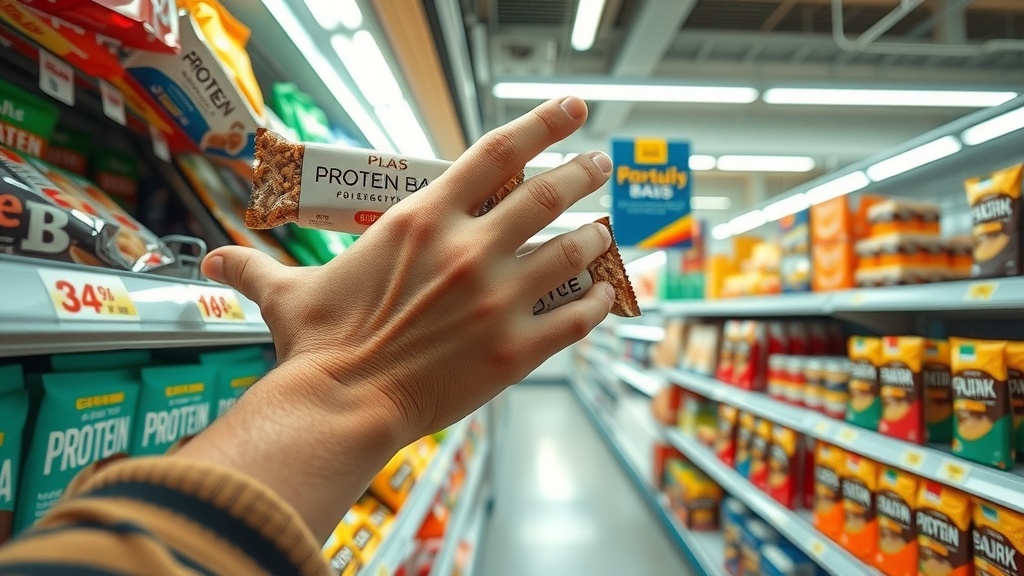
- The real Larabar and KIND pack and ingredient copy
- The clean-label category and its shopper
- The first-layer skepticism a label is meant to answer
- Each shopper's three-second scan response
- Where trust is earned and where it stalls
- The second-layer question no format currently answers
Does putting the ingredients on the front actually close the sale?
Clean-label brands treat ingredient transparency as their conversion advantage. This study put synthetic shoppers through a three-second shelf scan of Larabar and KIND to test whether transparency earns the purchase — or only the pick-up.
Both brands win the first three seconds. Both stall at the second question.
Transparency answers "is this clean?" — not "will this do anything for me?"
Ingredient transparency clears the first layer of doubt almost instantly: a shopper reads the panel, sees nothing alarming, and picks the bar up. But that's a prerequisite, not a purchase driver. The harder, second-layer question — what does this actually do to my body — is the one that converts, and no current label format answers it. So both brands reliably earn the pick-up and then lose the shopper at the exact moment the decision tips from "seems fine" to "worth buying."
Stop treating the ingredient panel as the closing argument. Design front-of-pack to answer the second-layer efficacy question — what the product does, not just what's in it — because that's where the modelled purchase decision is actually made.
These are modelled outcomes, not measured ones. Every score and probability here is a synthetic-population prediction, produced before any real-market test. Two simulation runs on two public brands — a directional read on the mechanism, not a market forecast. Treat the numbers as directional — the direction and size of the effect is the finding, not a forecast. A design partner validates the top interventions against real behaviour before a decision commits to them.
“Ingredient transparency is not a trust mechanism. It is a trust prerequisite.”RESEARCH STUDY 001 · FOUR-FINDING SYNTHESIS
Run your version of this decision.
This is the real engine. Bring the thing you're weighing and see how the population responds — before you commit to it.