Research Study 001 · Clean-Label Snack Bars

The 3-Second
Label Scan

Across Larabar and KIND, ingredient transparency succeeds immediately — and fails systematically. Both brands pass the first-layer skepticism screen in under 3 seconds. Both stall at the second layer: the harder question about what the product actually does to the body, which no label format currently answers.

Brands Studied Larabar · KIND Snacks
Category Clean-label snack bars
Runs 2 Morpheus Lite simulations
Surprise Score HIGH × 2
Four
Findings
  • Ingredient transparency is not a trust mechanism — it is a trust prerequisite. Both Larabar and KIND earn the pick-up. Neither reliably earns the purchase without a second-order information layer buyers cannot find on the label.
  • Larabar's whole-food enumeration activates a mental auditability heuristic that suppresses first-wave marketing skepticism — and then immediately surfaces a second skepticism layer about glycemic load and metabolic consequence.
  • KIND's transparent packaging succeeds at its intended purpose within the first glance — and accelerates a trained protein-per-calorie calculation that no label format, however transparent, can resolve in any short exposure window.
  • The purchase block for both brands is not speed — it is that the label answers the question the brand wants buyers to ask, while buyers are already asking a harder one.
2
Brands
clean-label snack bar category
65–75
Intent score range at shelf
both brands — consistent ceiling
3 sec
Time to ingredient trust — both pass
Time to stall — also 3 seconds
HIGH×2
Morpheus surprise scores
across both simulations
Who We Simulated
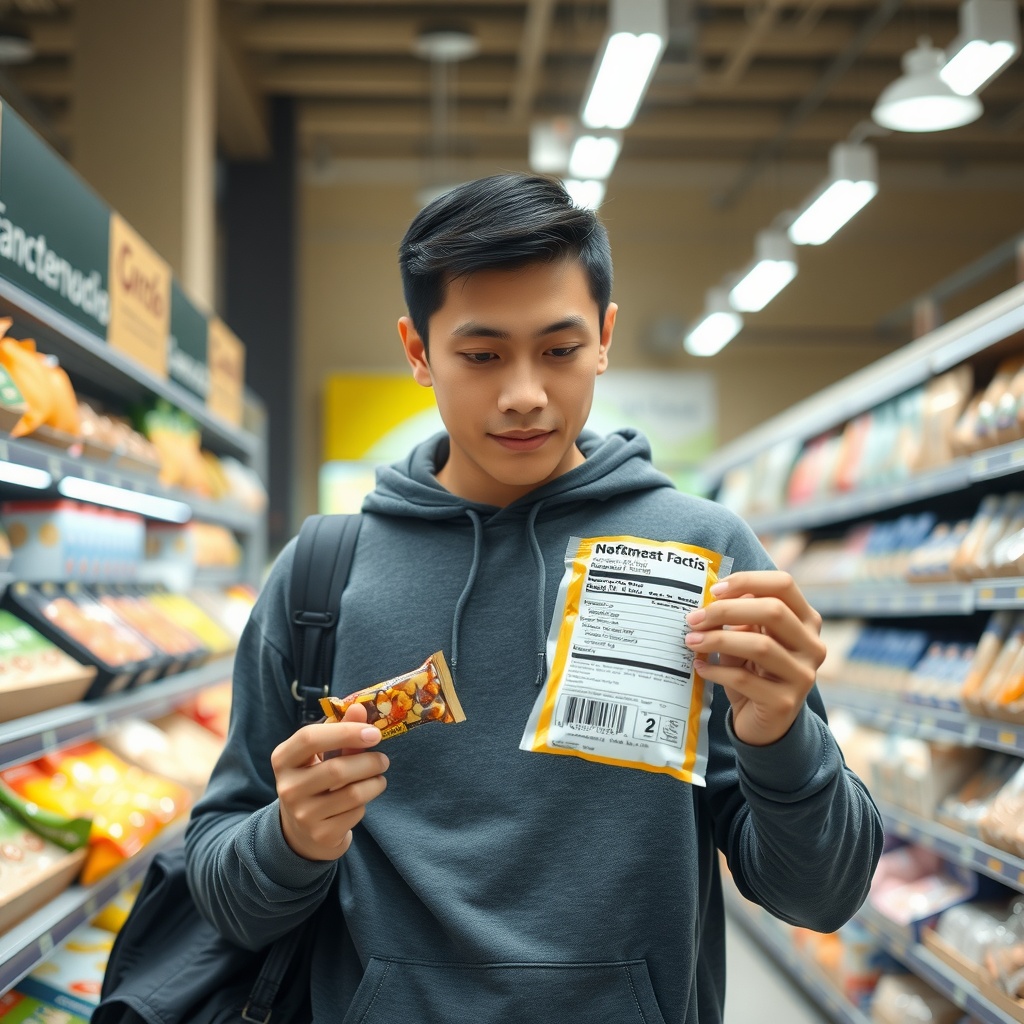
Marcus Chen
M
The Macro Auditor
Marcus Chen
28 · Software Engineer · Gym-anchored nutrition logic
Larabar + KIND buyer
"I don't have to trust the brand's interpretation of what's good for me. I can just verify it myself. That's exactly why I distrust bars that lead with a giant '20g PROTEIN' badge and then bury chicory root fiber in the fine print."

Sarah Williams
S
The Transparency Paradox
Sarah Williams
38 · Marketing Director · Family purchaser
KIND buyer
"KIND chose a transparent wrapper as its brand equity, and that transparency principle stops at the package. The calories are up top, big, bold, because that's the law. I am being played by a design convention I've used on clients."
David, Metabolic Inspector
D
The Second-Layer Seeker
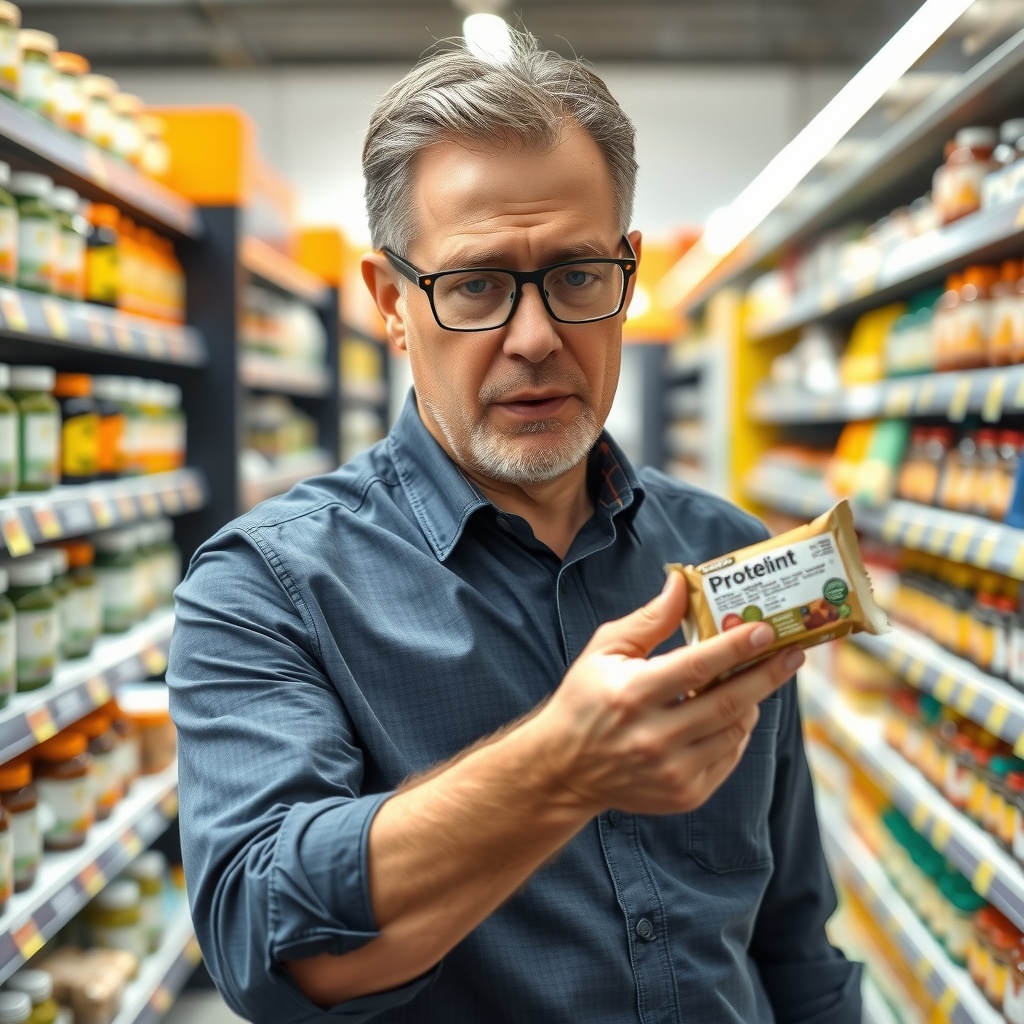
David, 42–44
Senior Professional · Metabolically cautious buyer
Larabar buyer
"The ingredient transparency earns the first look, but the macro specificity earns the purchase. Larabar is getting me to pick it up. It's not quite getting me to the register without a deeper inspection."
The Central Insight
Cross-Brand Finding
Transparency Relocates Skepticism —
It Doesn't Eliminate It

Across both simulations, ingredient transparency functioned as designed: it fired the auditability heuristic, lowered first-layer marketing skepticism, and generated higher intent than claim-forward alternatives. Then a second skepticism layer emerged immediately after. The very simplicity that signals honesty is also read as incompleteness — 'Dates. Cashews.' is not experienced as full information; it is ingredient-level disclosure that leaves metabolic consequence unaddressed and unverifiable in the seconds available at shelf. The result is a consistent intent ceiling in the 65–75 range: high enough to generate pick-up, insufficient to reliably generate purchase. Neither brand currently solves the verification gap. The unmet need is not more transparency about what is in the bar — it is legible, auditable transparency about what the bar does to the body.

What We Tested
Larabar

"Whole-ingredient front-panel labels drive higher shelf pick-up than claim-forward alternatives — mechanism is mental auditability heuristic"

Confirmed With ceiling finding

The auditability heuristic fired as predicted: buyers believed they could independently verify what they were consuming, bypassing brand-trust calculus. But a second skepticism layer emerged immediately after — glycemic load, macro balance, satiety duration — that simple ingredient enumeration leaves unaddressed. The fix is not a design problem for the transparency layer; it is a missing second panel that expresses metabolic consequence in the same self-verifiable format.

KIND Snacks

"KIND transparent packaging generates purchase intent within 3 seconds but stalls at caloric density schema — mechanism is 'healthy = low calorie' cognitive shortcut"

Confirmed — Mechanism Reframed

The hypothesis predicted a blunt cognitive schema — 'high calories = indulgent food' — that more time or better ingredient framing could override. The buyers revealed something structurally different: transparent packaging succeeded immediately at earning ingredient trust. That success accelerated a more demanding evaluative lens — protein-per-calorie ratios, glycemic load, fat sourcing — that no label format can resolve. The suppression is not time-bound; it's that the label answers the question KIND wants asked while buyers are asking a harder one.

"
The ingredient transparency earns the first look. The macro specificity earns the purchase. Right now you're getting me to pick it up — you're not getting me to the register without a deeper inspection that your current label doesn't support.
— David, Larabar buyer
What the Simulations Said
Larabar
"The ingredient transparency doesn't help me if it only converts one of the three people I'm buying for. My kids need to want to eat it and my husband needs to see it as worth the price."
— Sarah, Larabar buyer
Larabar
"I trust the ingredients completely. What I don't trust yet is whether 'Dates, Cashews, Almonds' tells me enough about what it does to my blood sugar at 3 PM."
— David, Larabar buyer
KIND Snacks
"It's not because I'm doubting the ingredient quality. I can see real cashews and I believe them. The hesitation is almost immediate but it's not about trust — it's about math."
— Marcus, KIND buyer
KIND Snacks
"The website is polished and the brand story is credible. But it's optimized to show me the ingredients I want to see before I can ask the questions the label might complicate."
— David, KIND buyer
Cross-Brand
"Knowing the trick doesn't make you immune to it. I know I'm doing a heuristic shortcut and I still do it at the shelf."
— Marcus, cross-brand observation
Cross-Brand
"If the nutrition panel showed 'glycemic impact: slow-release, 2hr window' in the same auditable format as the ingredient list, I'd stay for 10 more seconds. And those 10 seconds are worth more than any badge."
— David, cross-brand
What Brands Should Do
01
Design for a Two-Stage Label Architecture

Ingredient enumeration earns the pick-up. A second information layer — expressing metabolic consequence in the same auditable format buyers already trust for ingredients — is required to close the intent gap between shelf engagement and register conversion. "What it does" in the same verifiable format as "what's in it" is the highest-leverage experiment both brands should run.

02
The Protein Gap Is a Formulation Brief, Not a Messaging Problem

Marcus's performance-buyer ceiling is not addressable through copy. A bar hitting 15+ grams of protein from whole-food sources without isolates or texture degradation is the actual product brief this research surfaces. The auditability heuristic doesn't compete with performance nutrition — it's waiting for a formulation that satisfies both.

03
Occasion-Specific Framing Displaces Expert Calculation

Pre-resolving the use-case question before the label is read shifts the evaluation frame. "3 PM sustained focus bar" or "pre-travel fuel" tested against undifferentiated placement would tell both brands whether occasion framing outperforms ingredient-only messaging in conversion, by neutralizing the metabolic-consequence calculation before it starts.

What Could Break This
Risk 01
The Second Layer Is Growing, Not Shrinking

As buyers become more sophisticated about glycemic management, macro tracking, and gut health, the second-layer questions become harder to defer. Both brands' current label architecture was designed for a less demanding evaluator; the segment buying from clean-label brands is moving away from that profile.

Risk 02
Claim-Forward Brands Will Close the Gap from the Other Direction

Performance-forward brands (Quest, RX Bar) are learning that macro-callout labels stall on ingredient skepticism. If they successfully add auditable ingredient transparency while maintaining protein claims, they remove the only differentiator that earned Larabar and KIND the shelf pick-up in the first place.

Related Studies