Across Oatly, Califia Farms, and Beyond Meat, brand values have become a quality proxy — branded preference scores exceed blind taste scores not because products taste better, but because identity-aligned consumers conscript their own rationality to defend choices already made at the emotional level.
Three synthetic buyer personas, one per brand simulation — each constructed to represent the brand's primary loyalty segment. All three surfaced the same core mechanism through different lenses.
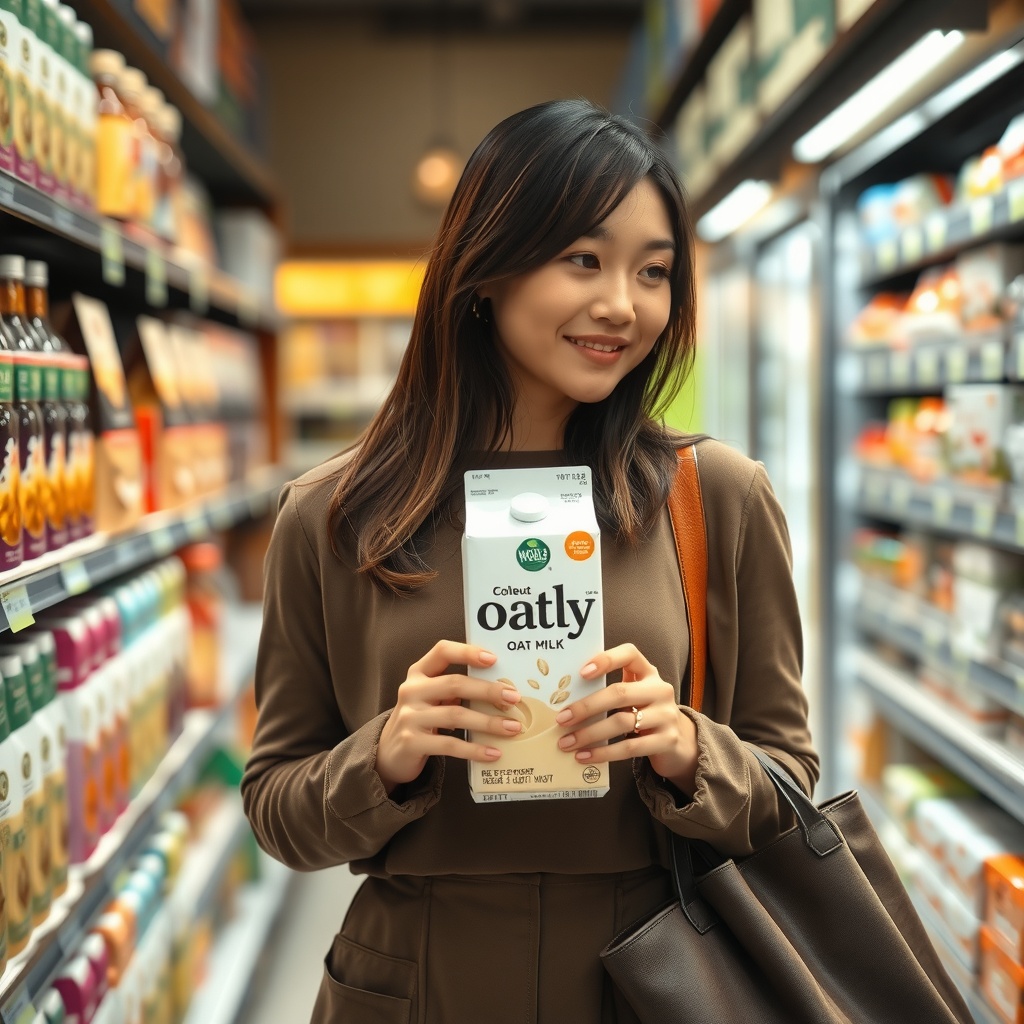
"I'm not less susceptible — I'm just better at constructing a coherent rationalization that makes the susceptibility feel like discernment. That's almost worse, actually."
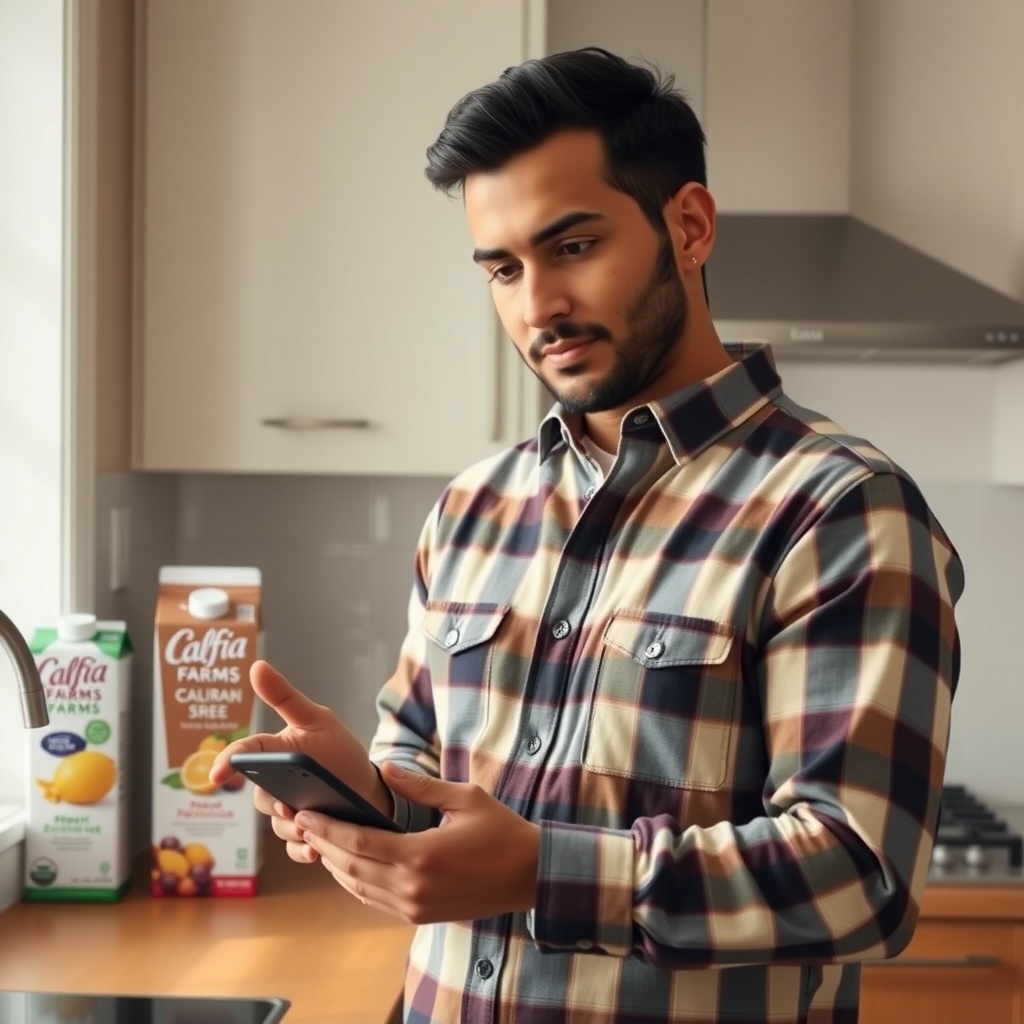
"I'm a software engineer, I know what confirmation bias looks like, and I still do it with food my family eats. I need it to be better."

"My spending on food is deliberate. It's part of how I operationalize my values. And Beyond Meat is now largely a mass-market product designed to move units through QSR channels."
Skepticism Is an Accelerant, Not a Brake
Across all three simulations, the buyers most analytically equipped to detect and resist the brand halo effect showed the strongest branded preference premium — not the weakest. Confronted with evidence of their own susceptibility, they did not recalibrate; they recruited their reasoning capacity to construct more elaborate, values-coherent justifications for a choice already made at the automatic level. The brand doesn't bypass their rationality — it conscripts it. This is structurally different from what a competent CMO would model: the assumption that marketing-literate consumers represent the segment most likely to close the branded-versus-blind gap produces the opposite result.
"The story catches up to the feeling. I tell myself my choices are values-and-taste-driven, not just values-driven with taste as a story I'm telling myself."
— Persona 0, Oatly simulationSynthetic probe sessions — composite profiles from the simulation population. Two quotes per brand.
"Knowing a magic trick doesn't make the rabbit disappear."
Oatly"If I actually did a blind taste test and found I couldn't distinguish Oatly from Planet Oat, that would shake me. Then I'd have to reckon with the fact that three years of loyalty was mostly narrative consumption."
Oatly"A well-designed bottle that signals sustainability and craft is basically whispering you're the kind of person who makes good choices. And that's hard to resist when your whole identity is built around exactly that."
Califia Farms"Once I feel that, I don't just stop buying the product. I feel like I don't fully trust my own instincts, and that's a much bigger deal for me right now than brand loyalty."
Califia Farms"I can name it — social identity alignment, narrative transportation, values halo effect — I have vocabulary for all of it because I write briefs that use these exact levers. And it still works on me."
Beyond Meat"So when she says she 'likes them better,' is that taste? Or is that her performing the family identity she's been enrolled in? Probably both, right? But I can't cleanly separate them."
Beyond MeatAll three brands' preference premiums are protected not by taste quality but by the perceived coherence of their values claims. Brand equity management must be treated as supply chain risk management — one credible greenwashing exposure can collapse the premium rapidly and irreversibly.
ESG-fluent buyers represent the highest-value segment for premium pricing in plant-based — and the highest churn risk for brands whose narrative sophistication outpaces their supply chain transparency. The Beyond Meat inversion proves that the same message hits differently depending on how fluent the buyer is in the brand's own language.
Identity-aligned buyers protect loyalty by constructing values-based justifications. Oatly, Califia, and Beyond Meat should each ensure that verifiable, specific, continuously-updated data remains front-accessible — not as acquisition messaging, but as raw material for the post-hoc rationalization process that keeps high-value loyalists immunized against competitive switching.
The preference premium collapses rapidly and irreversibly when a specific, sourced claim is publicly contradicted. Brands that cannot point to third-party audited lifecycle data are building on sand. For ESG-fluent buyers, the betrayal is worse precisely because the brand had promised to speak to their values — a more intimate manipulation.
Beyond Meat's QSR channel expansion has already triggered values-operationalizer defection. As plant-based alternatives achieve mass retail saturation, the identity premium depends increasingly on narrative specificity that mass channels cannot carry — creating the same inversion dynamic Liquid Death faces in beverages.
A Morpheus Lite simulation runs across your buyer segments in days — and tells you whether your branded preference advantage is product-backed or narrative-dependent before a competitor finds out first.
Run a Simulation → Or email iqbal.ahmed7@gmail.comDirectional signal, not validated research. Each finding is derived from Morpheus Lite synthetic-persona simulation runs — 3 brands × 9 personas modeled. Run a full Morpheus study to validate. Named brands (Oatly, Califia Farms, Beyond Meat) are referenced as market context examples only — not as clients, partners, or endorsers. Simulatte does not represent or speak for these companies. Simulation data is synthetic and generated for research illustration purposes.